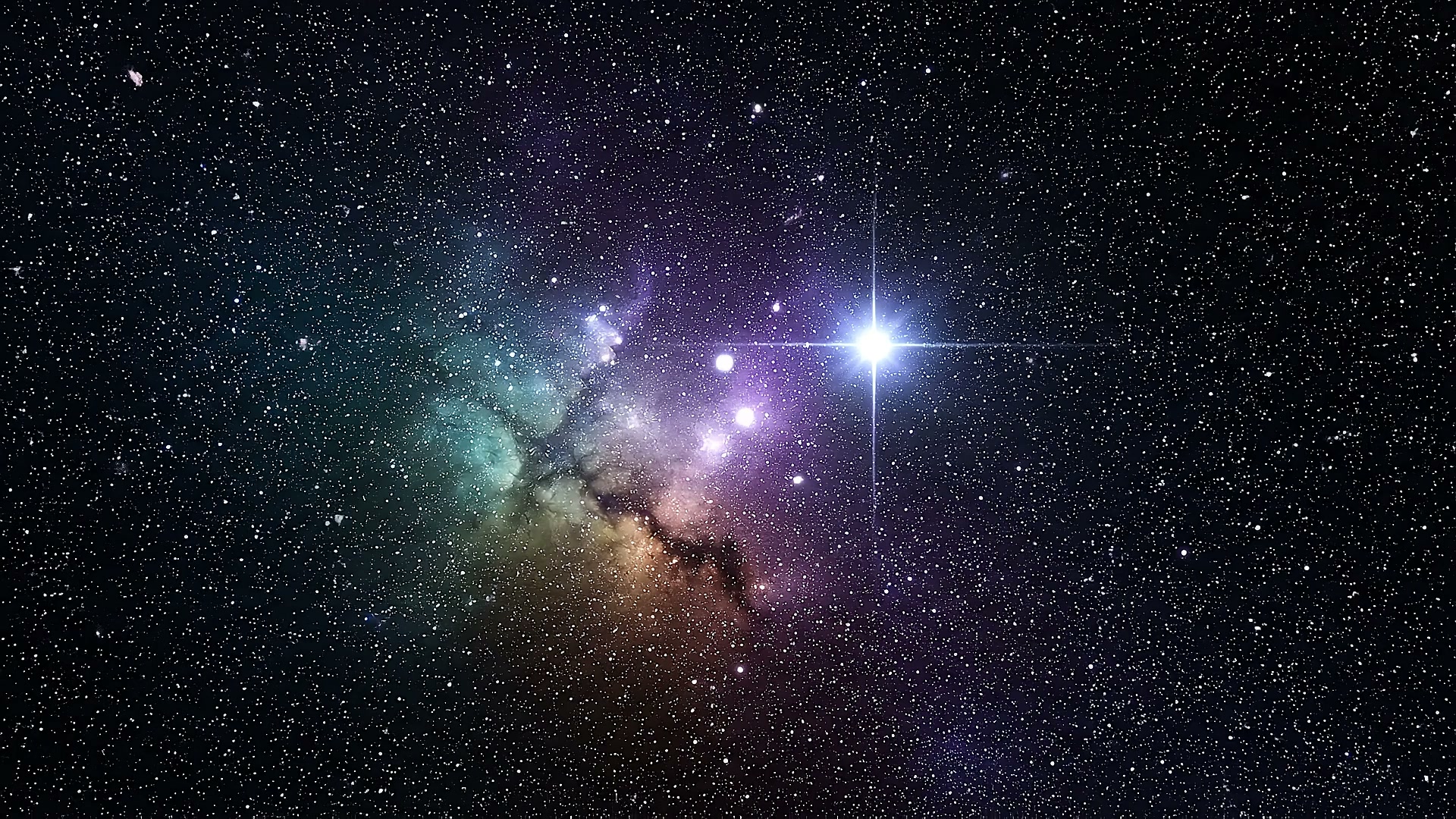
Humans have watched the stars for thousands of years
Before clocks, calendars, or compasses, the ancestors of every civilization looked up and read this very same sky — to mark the seasons, find their way, and keep the rhythm of life. Before we talk about your stars, we'd love to introduce you to the real universe overhead every night.
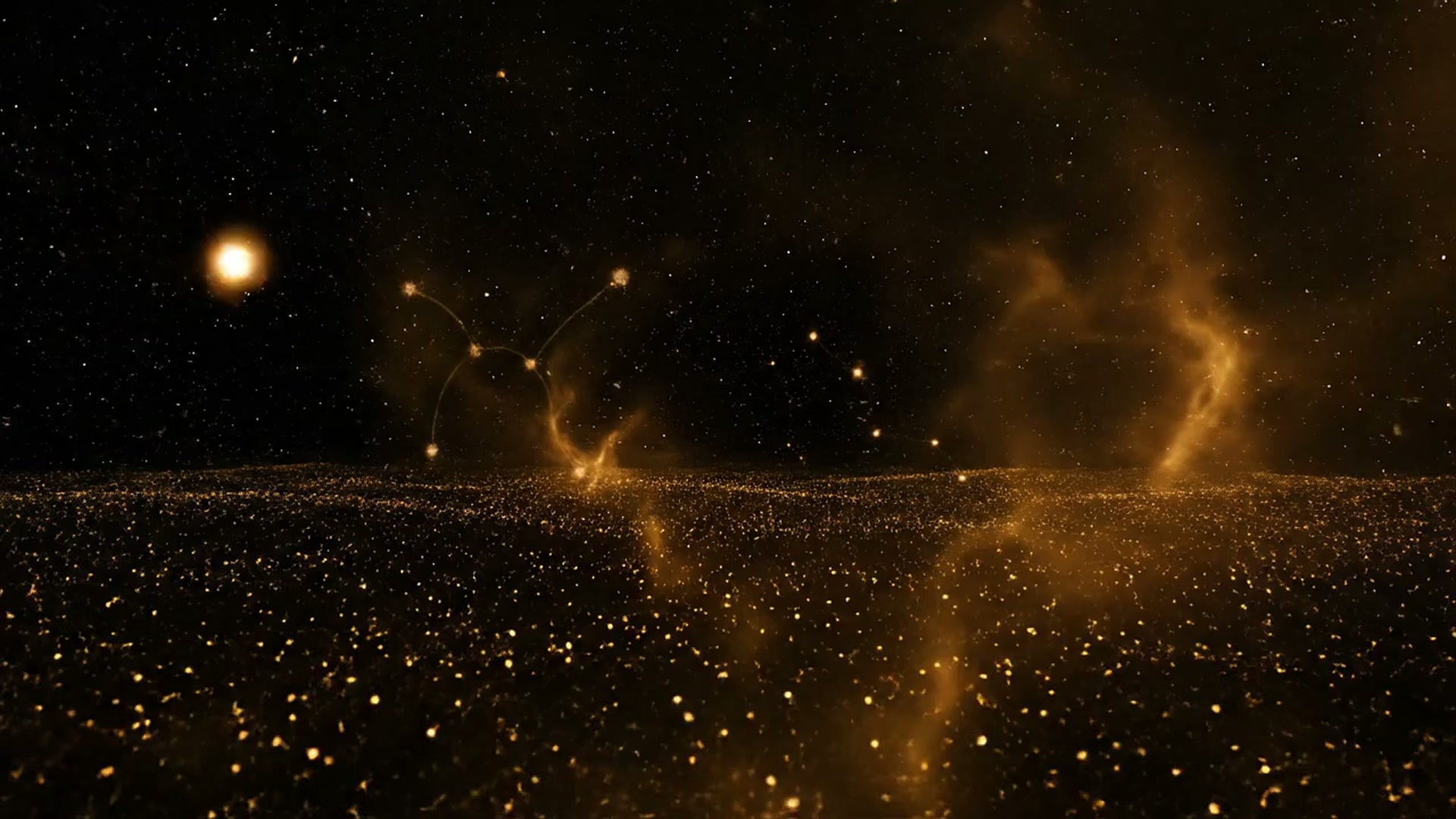
Every time you look at the stars
you are looking back in time
Light travels at about 300,000 kilometers per second, yet the universe is so vast that even light takes time. The sunlight touching your face right now left the Sun about 8 minutes and 20 seconds ago — everything you see in the sky is always a picture of the past.
Nine true things about the stars
Verifiable astronomical facts, gathered from space agencies and astronomical institutes — so you can understand the sky that the ancient sciences have observed throughout history.
Stars are born in freezing clouds of gas
Stars form inside molecular clouds of gas and dust chilled to around −260°C. Gravity slowly draws the material inward until it collapses into a "protostar" — and only when the core reaches about 10 million degrees does the star begin fusing hydrogen and shine. Nebulae like the "Pillars of Creation" are stellar nurseries of exactly this kind.
Stellar nursery · a frigid −260°C Source: NASA Science — Star Basics / WebbOne light-year = the distance light travels in a year
A light-year is a unit of distance, not time — about 9.46 trillion kilometers. The nearest star to the Sun, Proxima Centauri, lies about 4.24 light-years away, which means the light you see from it tonight set out on its journey more than four years ago.
1 light-year ≈ 9.46 trillion km Source: NASA — Imagine the UniverseThe ecliptic and the zodiac constellations
As Earth orbits the Sun, the Sun appears to drift through a band of background constellations over the course of the year — a path called the "ecliptic". Astronomically, the Sun actually passes through 13 constellations (including Ophiuchus, the Serpent Bearer, which the traditional 12-sign zodiac leaves out).
The Sun crosses 13 constellations Source: IAU · Wikipedia — EclipticEarth's axis wobbles once every 26,000 years
Earth spins like a slowly wobbling top, completing one full wobble roughly every 26,000 years — a motion called "precession". As a result, the Sun's position among the constellations on your birthday today has drifted nearly a full sign from where the Babylonians fixed the zodiac some 2,500 years ago.
Precession cycle ≈ 26,000 years Source: Wikipedia — Ecliptic / PrecessionThe North Star, compass of the navigators
Polaris sits almost exactly above Earth's north celestial pole, so it barely seems to move while every other star wheels around it through the night. Ancient sailors used it to find north and estimate their latitude — and because Earth's axis wobbles, the pole stars of the distant past and future are different stars altogether.
Nearly motionless · points north Source: classical celestial navigationLunar phases and the lunar calendar
The Moon has no light of its own — it reflects sunlight. The crescent-to-full shapes we see come from the changing angle between the Sun, Earth, and Moon. One complete cycle of waxing and waning takes about 29.5 days — the heartbeat of the lunar calendars that have set holy days and festivals since ancient times.
Lunar cycle ≈ 29.5 days Source: solar-system astronomySolar and lunar eclipses
The word "ecliptic" comes from "eclipse", because ancient observers noticed that eclipses happen only when the Moon sits exactly on this line. A solar eclipse occurs when the Moon passes in front of the Sun (at new moon); a lunar eclipse occurs when Earth's shadow falls across the Moon (at full moon).
Eclipses = when the bodies align Source: Wikipedia — EclipticThe morning star is Venus
The brilliant "morning star" before dawn and the "evening star" after sunset are in fact one and the same planet: Venus. It is the brightest object in the sky after the Moon, thanks to thick clouds that reflect sunlight superbly — and it always appears close to the Sun.
Brightest after the Moon Source: NASA — Solar System / VenusThe Milky Way, our home
The Sun and Earth are just a tiny dot in the Milky Way galaxy, home to roughly 100–400 billion stars and spanning about 100,000 light-years. We sit about 25,000 light-years from the center, and the Sun takes roughly 250 million years to complete one orbit around the galactic core.
~100–400 billion stars · ~100,000 ly across Source: NASA · Britannica — Milky Way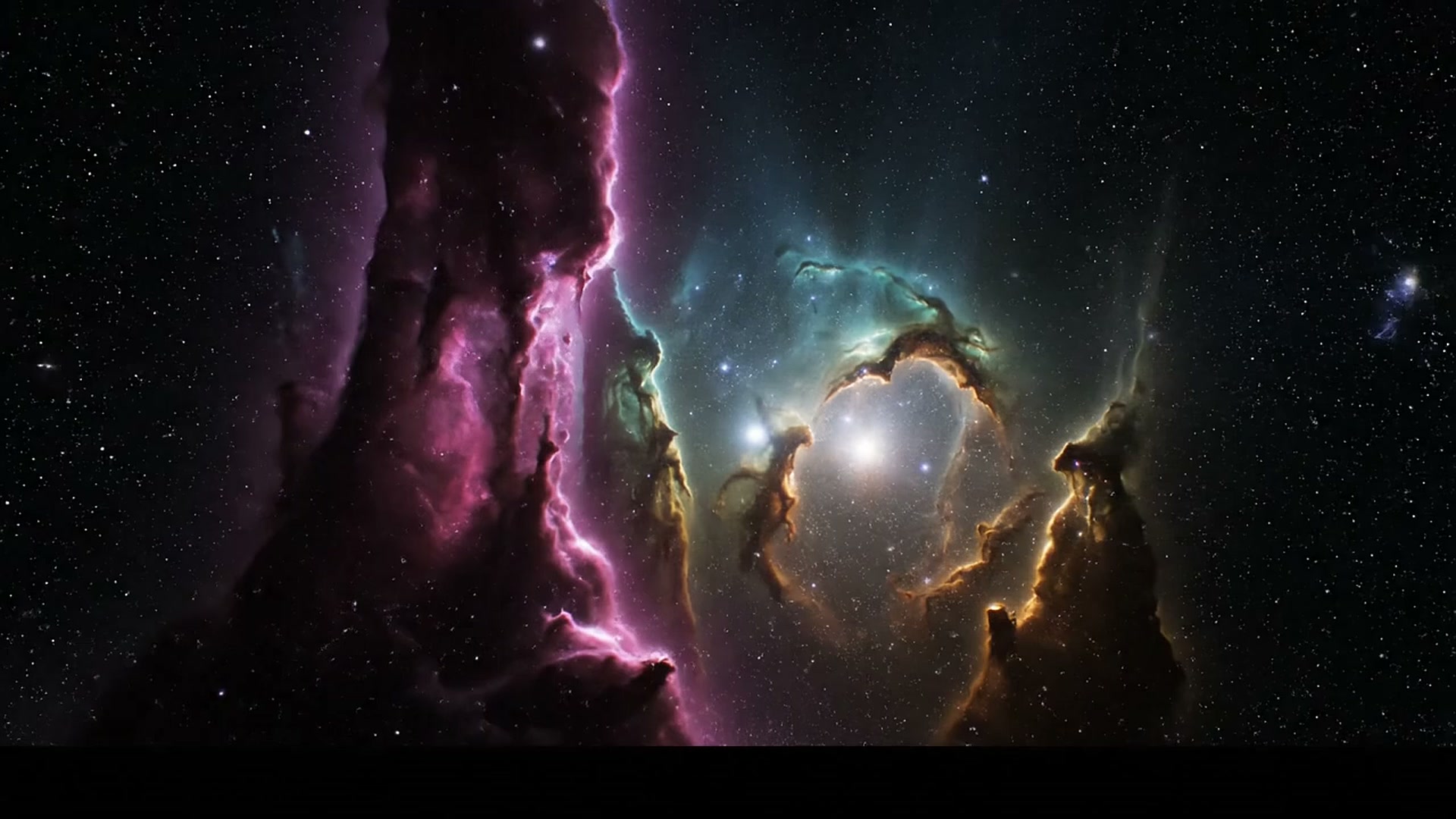
Every star is born from a cloud of mist
slowly learning how to shine
Inside a nebula — a vast cloud of gas and dust — gravity gathers matter together over millions of years, until one day the center grows hot enough to ignite as a newborn star. The very elements in your body were once forged in stellar cores just like these.
The wisdom of 20+ disciplines, from many civilizations
We synthesize the destiny-reading sciences of many civilizations through reproducible computation. Below is exactly which disciplines we use — and which side of life each one reads.
Thai astrology
World & Eastern sciences
For transparency, we openly share which sciences we use — but the calculation methods and internal processing are our own proprietary system, carefully developed and rigorously cross-checked.
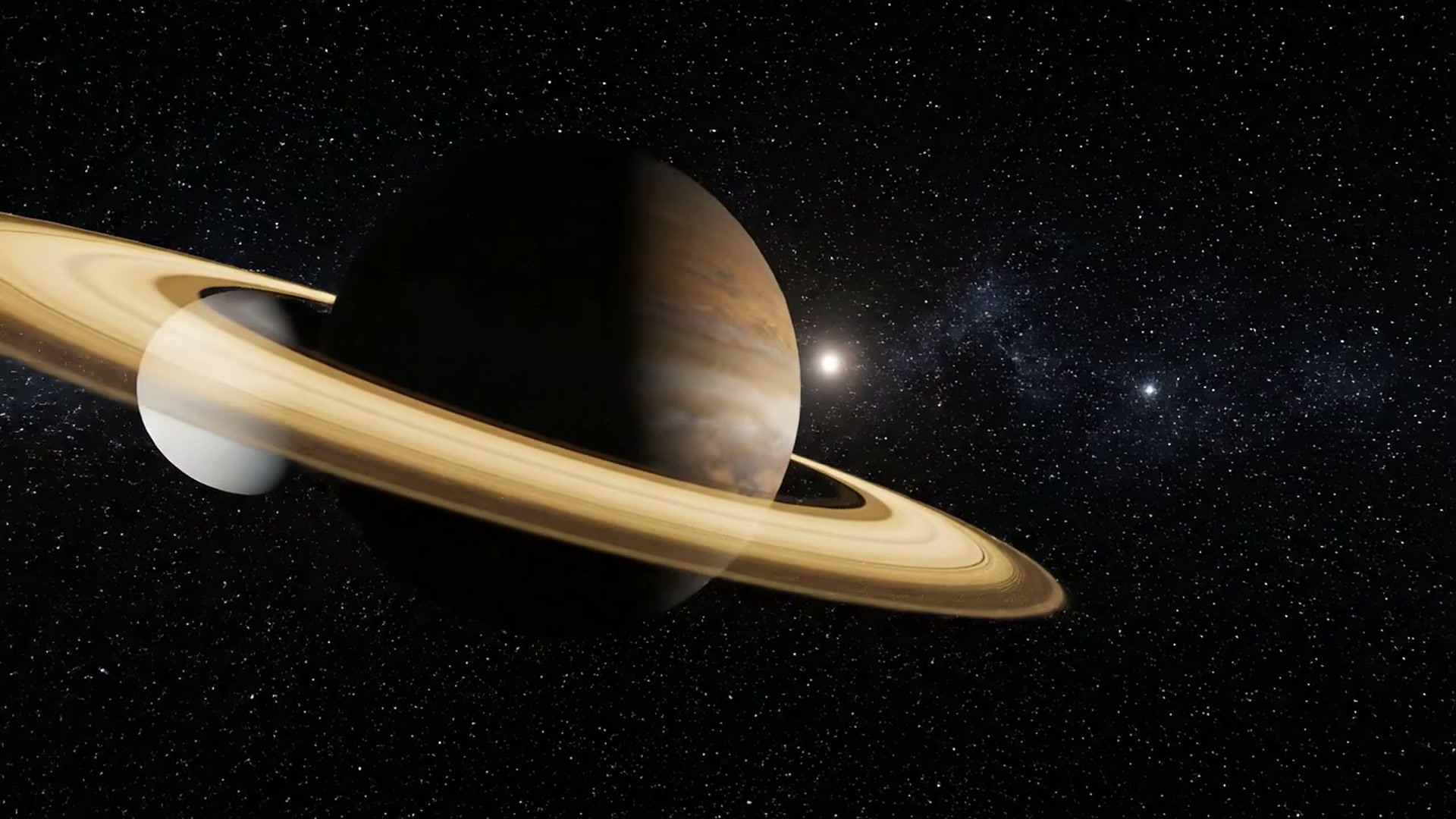
The seven classical planets and the Sun
were humanity's first clock
Before calendars and clocks, our ancestors read time from the positions of the Sun, the Moon, and the planets visible to the naked eye. The names of the seven days of the week in languages across the world — Thai among them — are all drawn from these celestial bodies.
Read from many charts — then let the sciences "vote"
Your day's reading never comes from a single science. We calculate from many charts at once — and when several independently computed sciences point the same way, that is the signal we call the "Consensus Index".
It starts with your birth date
The system builds your chart from your birth date, then recalculates today's values fresh every single day — never canned text.
Each science reads independently
Every discipline processes on its own, offering its own perspective on each area of your life.
We find where they agree
Only when several sciences point the same way do we call that area "strong" — transparent about how much trust it deserves.
Distilled into an easy card
Everything is distilled into a daily fortune card you can read in one minute, before you leave home.
Choose what fits the rhythm of your life
From member daily fortune cards to pay-per-reading services whenever you need one — everything lives on LINE, effortless to use, one tap at every step.
Daily fortune card
Scores for money, work, love, and health — plus your lucky color, lucky numbers, auspicious charm, and the best hours of your day. Recalculated fresh every day from your birth date, delivered every morning.
Membership from ฿99/monthChat with your fortune reader
Wondering about something? Just ask in chat — your reader answers from your actually computed chart, never vague one-size-fits-all lines. So simple that even parents and grandparents use it with ease.
Included in membershipToday's reading
Want a quick look at today without a membership? Pay per reading and receive your result instantly in chat — perfect for big days, or the days you just can't decide.
From ฿9 per readingFocused tarot reading
Choose the matter weighing on your mind — love, career, money, or a decision — and receive a tarot reading that speaks to exactly that.
฿19 per readingAuspicious name check
See whether your name supports or clashes with your birth day under the science of auspicious letters — with guidance if you're considering adjusting it or choosing a new one.
฿29 per checkLucky numbers · Palmistry · Face reading
Check whether your phone number's digits align with your chart, plus palm and face readings from a photo to reveal your personal tendencies.
From ฿19A fortune card you'll finish before your coffee
Every morning, your card is waiting in LINE — easy to read, your whole day at a glance, with your fortune reader one tap away all day long.
Product mockup shown for illustration — every real value is calculated individually from your birth date.
"Computable and verifiable" is the heart of what we do
We never lean on a single science. We bring the destiny-reading wisdom of many cultures into one systematic computation — deep and well-rounded.
Each day's reading is computed from several traditions that work independently. Only when they point the same way do we call something "strong" — transparent about what deserves how much trust.
Same birth date, same day — the same result, always. Because it is genuine computation, not a random generator of pleasant-sounding lines.
We keep only what's necessary, use it solely to calculate your readings, and you can have it deleted at any time — in line with the Personal Data Protection Act (PDPA).
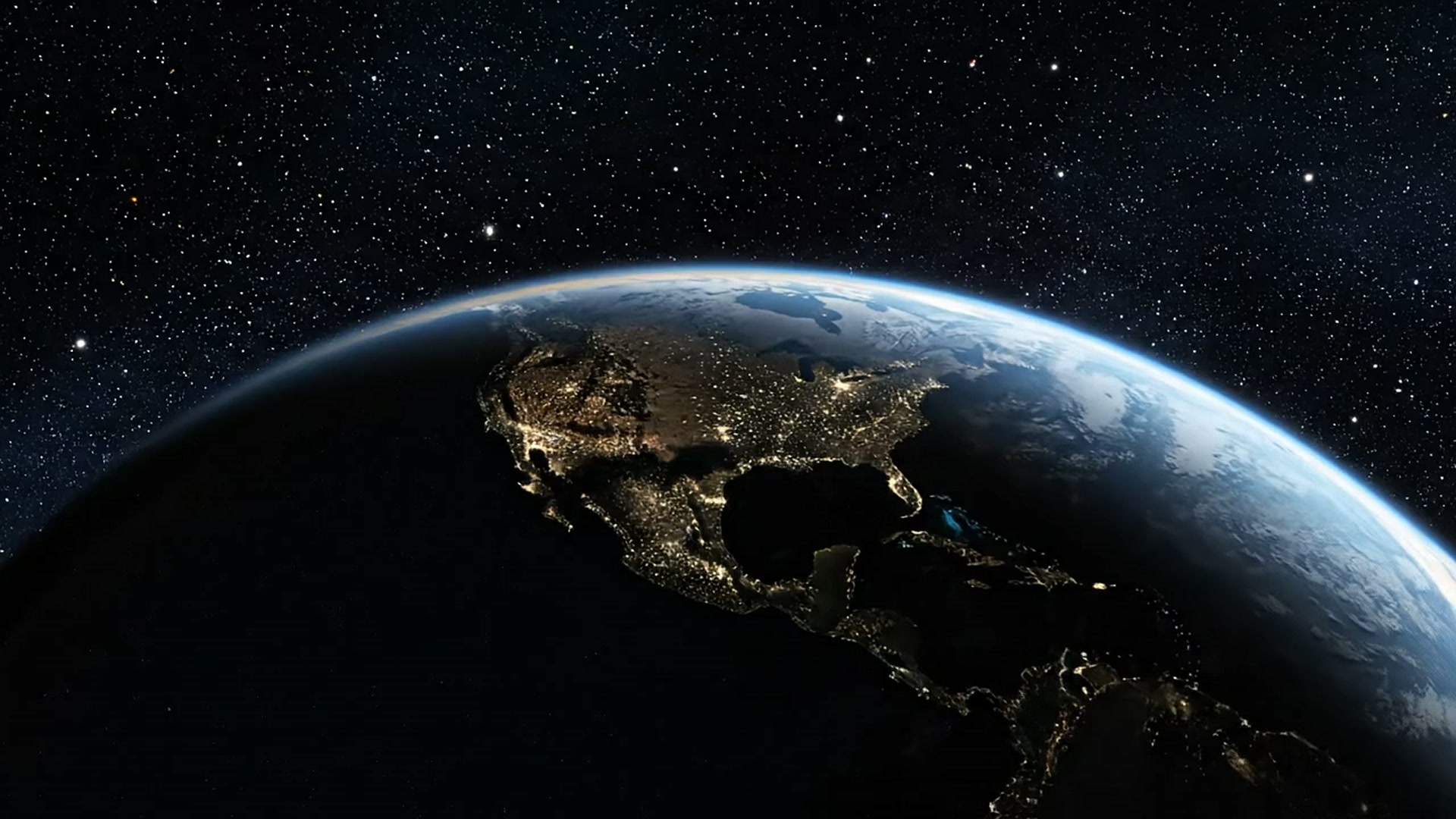
From space, Earth has no borders
only the lights of people rising to try again each day
Nearly every astronaut says the same thing: seeing the whole Earth suspended in darkness changes how you see life, forever. Every morning you wake, your own small light is part of that picture.
Start the morning with confidence
"I love that it's truly calculated from my own birth date — not generic lines that could fit anyone. I open my card before work every single day."
"I wasn't much of a believer at first, but I liked that they use several sciences and look for where they agree. It made more sense than I expected — so I subscribed."
"So easy for my mom — just tap the buttons, and the text is big and clear. I signed her up and she reads it herself every morning. She loves the lucky hours and the lucky colors."
"I can ask the fortune reader in chat any time — quick replies, and they actually match my chart, not random guesses. Well worth a few baht a month."
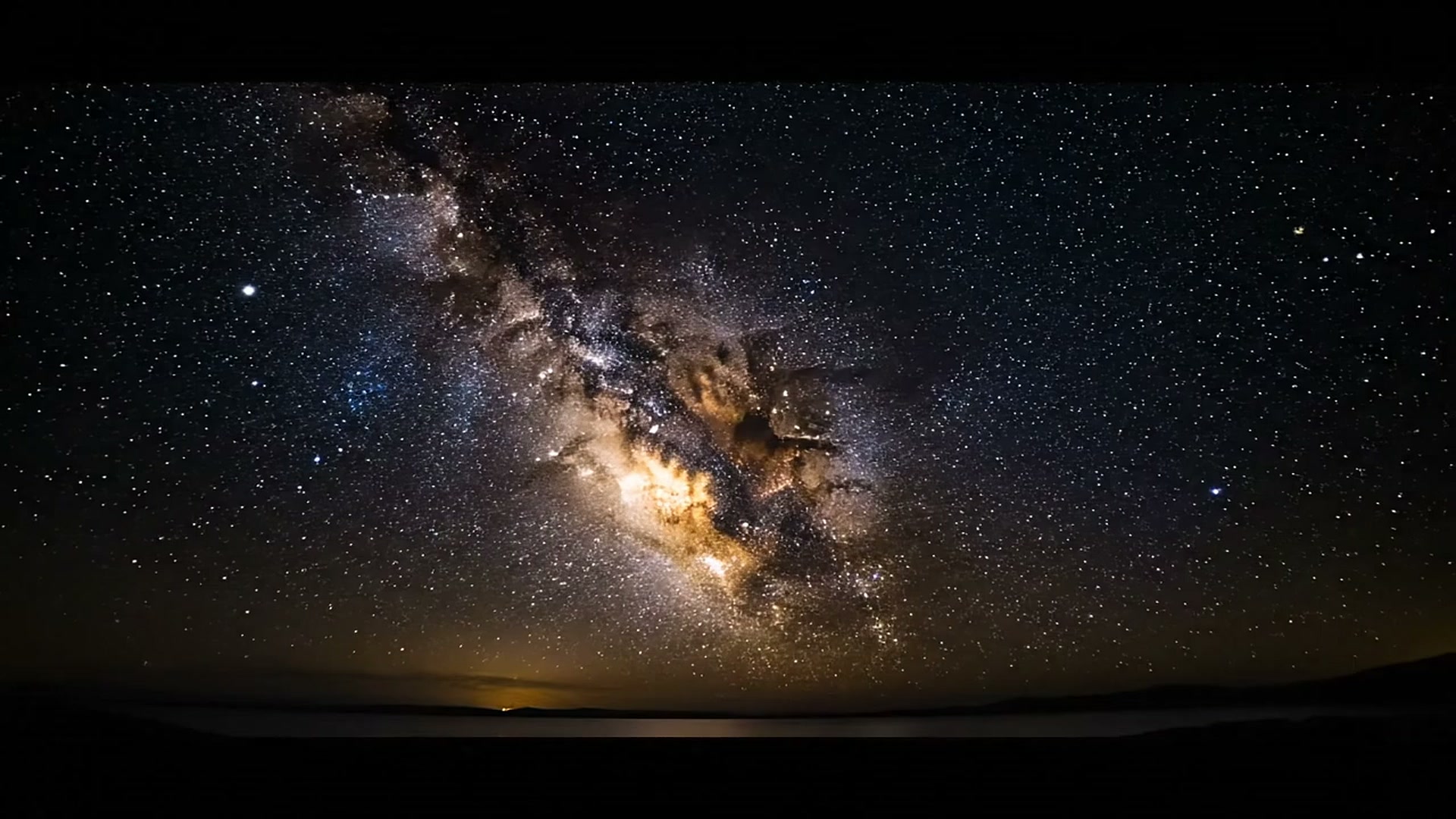
Under this same sky
a hundred billion stars keep you company
Our Milky Way holds roughly one to four hundred billion stars, spanning about a hundred thousand light-years. Every ancient civilization gazed up at this silver band and told its own story — we're simply continuing a conversation humanity has held with the stars for thousands of years.
What people want to know before they start
Tomorrow morning, let your stars be waiting on LINE
Add us today and start your first reading free — no strings attached.